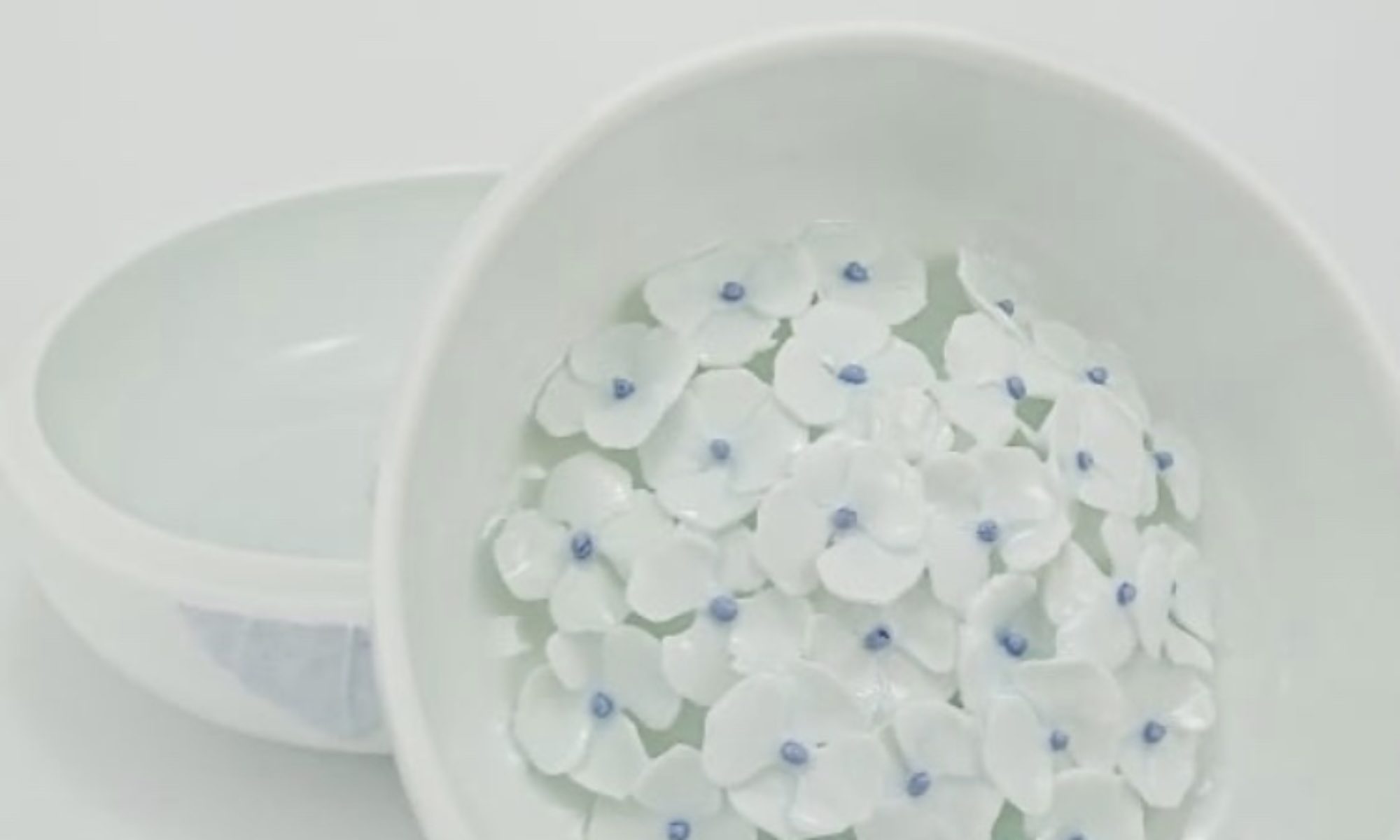
Japanese ceramics were very popular in Europe during the 18th and 19th centuries, and even during Japan’s isolation they were still traded through the port of Nagasaki by the Dutch East India Company. In this way, the Austrian royal family ordered Hirado-Mikawachi porcelain wine glasses to commemorate the foundation of the Austrian Empire in 1804. Commissioned to display a rose and onion design, plants which were unknown in Japan at the time, the peony flower and daffodil bulb were used instead as models for the delicate artwork. Each long-stemmed glass was uniquely shaped from a single piece of clay, a challenging task even for modern-day ceramic methods.
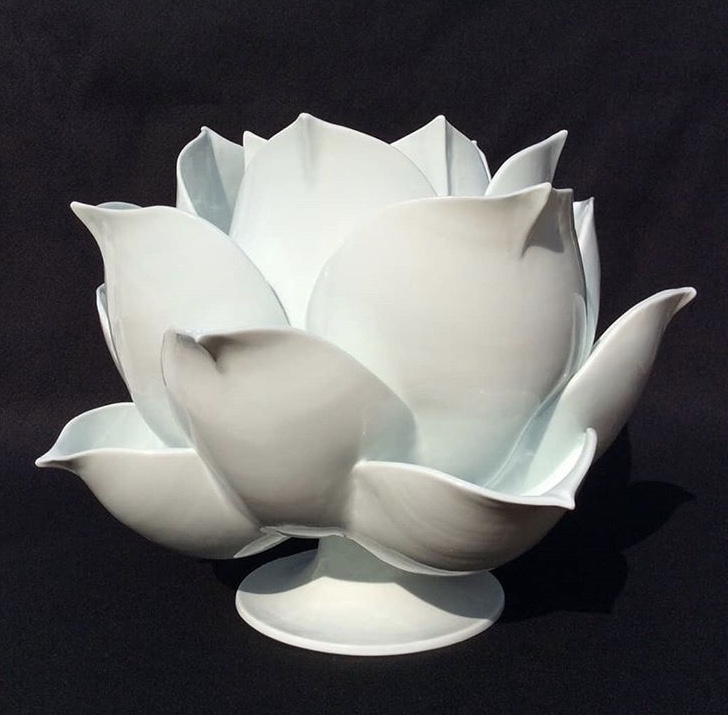
In 1871, when feudal domains were abolished in the Meiji Era, the Mikawachi kiln lost the patronage of the Hirado Daimyo. Accordingly Mr. Fusataro Imamura, the 11th generation of family artisans, registered the kiln under the name “KAKUFUSA”, which still marks the family’s conventional products such as dishes and cups. The Etsuzan mark is used on porcelain works of art.
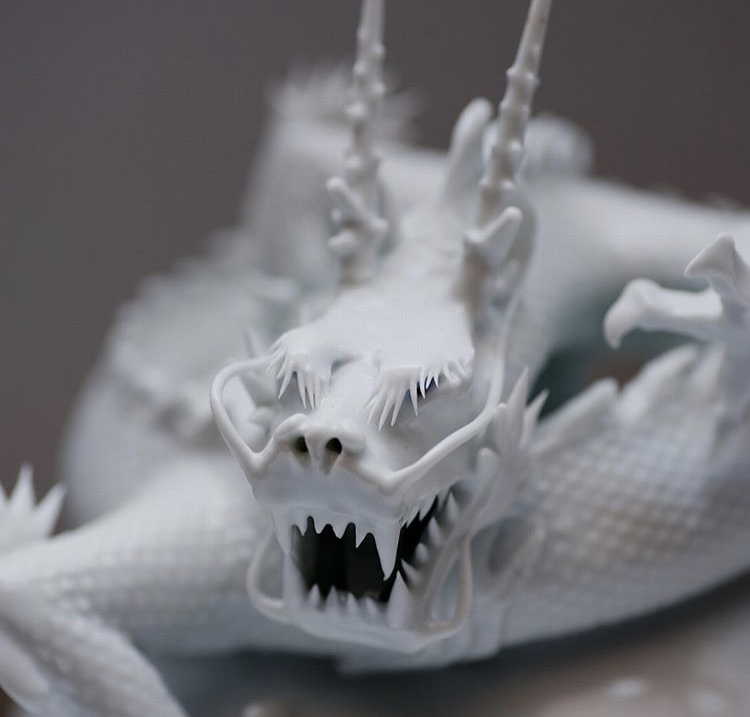
Hirado-Mikawachi porcelain is on exhibit today in many museums in Europe and the United States, including the British Museum and the Metropolitan Museum of Art in New York.